Top Myths About Digital Transformation Debunked
Explores misconceptions around digital transformation, clarifying that it involves people, processes, and culture rather than just technology adoption.

Understanding Digital Transformation
In today's rapidly evolving digital landscape, businesses are increasingly turning to digital transformation to stay competitive and relevant. However, several myths continue to cloud its perception. By debunking these myths, organizations can better understand and leverage the true potential of digital transformation.
Myth 1: Digital Transformation Is Only About Technology
Many believe that digital transformation is solely about adopting new technologies. While technology is a critical component, the process involves much more. It encompasses a holistic change that includes people, processes, and culture. A successful digital transformation strategy aligns technology with business objectives, fostering innovation and improving customer experiences.
Myth 2: It's Just for Large Enterprises
Another common misconception is that digital transformation is only suitable for large corporations with substantial resources. In reality, businesses of all sizes can benefit from digital transformation. Small and medium-sized enterprises (SMEs) can leverage digital tools to streamline operations, enhance customer engagement, and access new markets. The key is to tailor the strategy to meet the unique needs of the organization.

Myth 3: Digital Transformation Has a Defined End Point
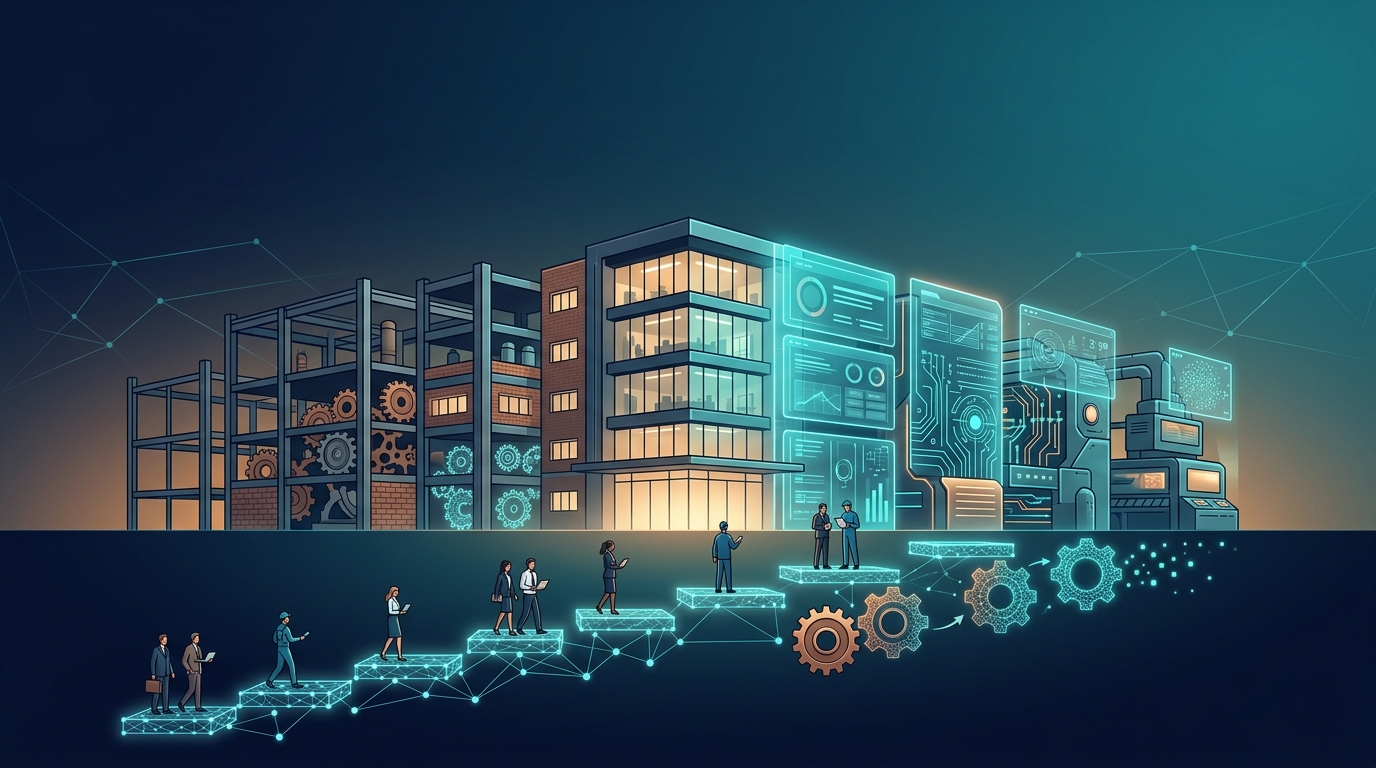
Some organizations view digital transformation as a project with a clear beginning and end. However, it is an ongoing journey rather than a one-time initiative. As technology and consumer expectations continue to evolve, businesses must remain agile and adaptable, continuously refining their strategies to stay ahead of the curve.
Myth 4: It Requires a Complete Overhaul
There is a misconception that digital transformation demands a total overhaul of existing systems and processes. In truth, it often involves incremental changes and optimization of current workflows. By gradually integrating digital solutions, businesses can minimize disruptions and achieve a smoother transition.
Myth 5: It's Too Costly
Cost concerns often deter businesses from pursuing digital transformation. However, investing in digital transformation can lead to long-term savings and revenue growth. By improving efficiency and eliminating redundant processes, organizations can reduce operational costs and increase profitability.
Embracing the Future
Digital transformation is a vital strategy for businesses looking to thrive in the digital age. By dispelling these myths, organizations can approach digital transformation with a clear understanding of its potential and benefits. Embracing this journey can lead to increased agility, enhanced customer satisfaction, and sustained growth.


Ready to reimagineyour core business?
Contact us for AI consulting and solutions. We're here to help with whatever your business needs.
Contact Our Team
Please share a few basics so we can get back to you faster and more accurately.